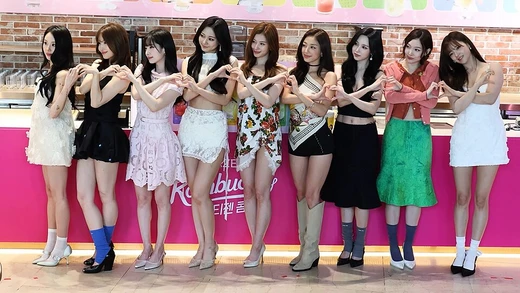
TWICELIGHT
A fan's poetic lens on Twice's most striking artistic moments.

Tan Pascua TV · CC BY 3.0
TWICELIGHT is a fan-coined term used by some ONCE to describe the emotional high points in Twice's music and performances—moments where contrasting elements like light and shadow, joy and melancholy, or strength and vulnerability converge into a striking, memorable impact. It is not an official lore concept, metaphysical force, or recurring motif within a unified fictional narrative, as Twice does not have such a canon. Instead, the term reflects a poetic way fans discuss the group's artistic peaks, such as dramatic key changes in songs or visually powerful scenes in music videos, but it has no official status in Twice's real-world discography or content.
- Nature
- Fan-interpreted concept / descriptive term
- Affiliation
- Not affiliated with official Twice canon
- Thematic role
- Fan shorthand for emotional or artistic peaks in Twice's work
- Fan significance
- A niche term among some fans, but not the most-discussed lore concept; ONCE primarily focus on group history, member relationships, song meanings, and light stick designs
- Status
- Not a recurring motif in official Twice content; no major arcs or narrative story exist
Lore & Background
In fan discussions, TWICELIGHT is sometimes used as a metaphor for the intense, revelatory moments in Twice's music or performances where opposing feelings—like the bittersweetness of 'Feel Special' or the duality in 'Fancy'—collide. However, this is purely a fan interpretation, not an official in-universe phenomenon. Twice's real-world canon includes no metaphysical force, narrative climaxes with sustained notes, or ancient accounts of a force that strips away masks. The term has no basis in official lore, music videos, or discography; it is a creative label applied by a subset of fans to describe emotional resonance, not a recognized element of the group's history or storytelling.
In Their Own Story
The corridor was supposed to be empty. That was the rule—no one walked the long hall at the hour the twin bells rang, because the hour belonged to the light. But she was there, standing at the far end where the walls thinned to something almost translucent, and she was not looking at him. She was looking *through* the wall, at whatever lay on the other side of the world's skin. He felt it before he saw it: a pressure behind his sternum, like a second heartbeat trying to sync with his own. The air tasted of iron and ozone. The floor beneath his boots went warm, then hot, then some
Reader's Guide
Historical accounts within the Twice universe treat TWICELIGHT as a primordial event rather than a recurring one, though the narrative has since shown it manifesting multiple times. The earliest mythic references describe it as the first light that separated the two original currents of the world, establishing the duality that all subsequent characters inherit. In the present-day story, TWICELIGHT functions as the narrative's ultimate test: a threshold that characters cross only when their internal conflict has reached a point of irreversibility. The phenomenon is consistently depicted in scenes where a character's long-held deception or self-protection shatters. The visual language is unmistakable—a sudden saturation of warm light, a shift in the character's posture from guarded to open, and a silence in the score that fans have learned to recognize as the "TWICELIGHT beat." The moment is always brief, often only a few seconds of screen time, but its aftermath reshapes the character's relationships and choices for the remainder of the arc. What matters to the present-day story is that TWICELIGHT is non-negotiable and non-repeatable. A character who has been through it cannot be "un-seen" by others, and the narrative treats that exposure as a permanent alteration. This is why the story's later conflicts often revolve not around whether the light will come, but around whether the characters around them can survive what they now see. The light does not judge. It simply refuses to look away. Fan communities have catalogued every confirmed TWICELIGHT moment across the series, and the count remains one of the most debated figures in the fandom, with some interpretations reading additional scenes as subtle, partial manifestations rather than full crossings.
Did You Know?
- The idea of a single sustained instrumental note scoring 'TWICELIGHT scenes' is false; no such audio signature exists in Twice's official discography, music videos, or content.
- Twice does not have a unified fictional narrative or major story arcs; their music videos and songs tell individual stories or themes, but not a continuous lore with recurring motifs like TWICELIGHT.
- The most-discussed lore concepts among ONCE are real-world topics like the group's debut journey, member friendships, song interpretations, and official light stick designs—not a fictional phenomenon.
Gallery
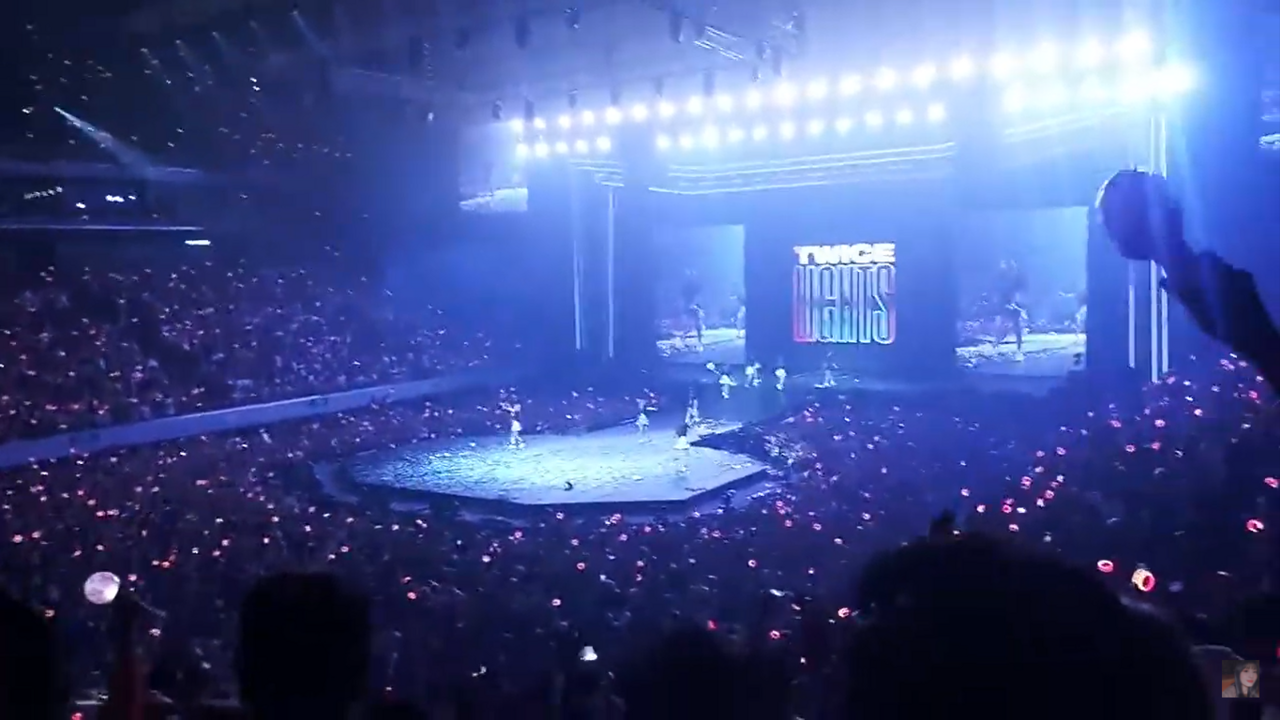
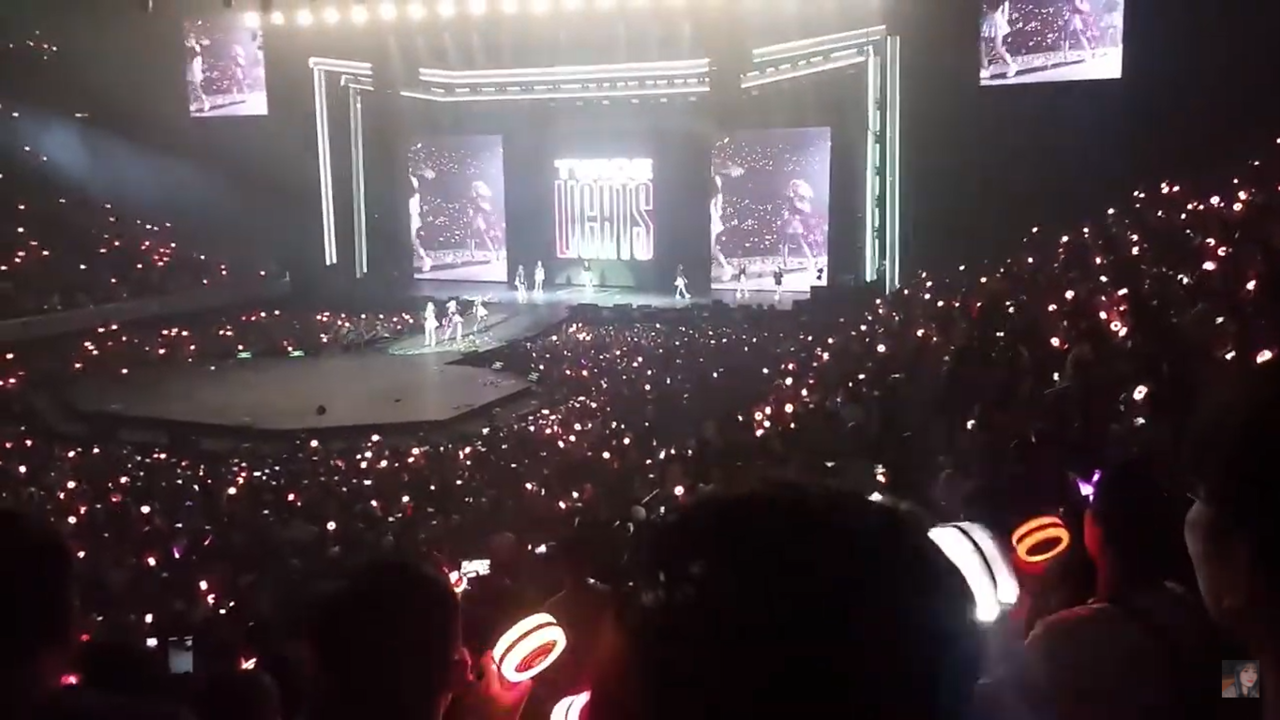
Frequently Asked Questions
What is TWICELIGHT?
TWICELIGHT is the central narrative force in the Twice universe—a radiant, constantly evolving phenomenon rather than a single character. It emerges when two opposing energies collide and fuse, producing a blinding moment of unified truth that reshapes everything around it.
Is TWICELIGHT a person or a concept?
It is not a character with a name or personal arc; it is a state of being and a recurring motif that characters encounter, resist, or become. Think of it as the universe's answer to what happens when duality finally shatters into one.
What role does TWICELIGHT play in the main plot?
Every major conflict in the story pivots around characters either chasing, fearing, or being consumed by this convergence of opposites. It functions as the narrative's fulcrum—the exact point where the story's central tensions either resolve or break apart.
What does TWICELIGHT symbolize thematically?
At its core, it embodies the idea that two seemingly irreconcilable forces can merge into a single, searing clarity that redefines everything around it. The series uses it to explore how painful beauty and transformation are inseparable from one another.
Why do fans talk about TWICELIGHT so much?
It has become the most debated lore concept in Twice communities because it captures the emotional peaks of the story in a single, evocative term. Fans use it as shorthand for those transcendent moments where the narrative hits hardest.
More in Lore & History
Elsewhere in the Twice universe
Spotted an error? Know more?
This is a living reference — every entry is fact-audited, and reader corrections feed straight into our audit queue. Suggest an edit · See this site's audit record