
Alice
A quiet flame in a world that keeps trying to blow her out.

via Wikipedia: Alice's Adventures in Wonderland · see source
Alice is a character in the Twice universe, introduced through stillness and small human detail rather than action—a deliberate narrative choice that signals her emotional centrality before the plot escalates. Her moral positioning is intentionally ambiguous; the story resists labeling her as purely heroic or conflicted, leaving her motives open to interpretation. Fans often discuss her in terms of 'quiet courage,' where her most significant acts are not dramatic gestures but sustained, unglamorous choices made under pressure. The narrative uses her physical stillness—small gestures, held breaths, measured speech—as a recurring visual motif, contrasting her with more kinetic characters in the cast.
- Character
- Alice
- Universe
- Twice
- Role
- Central narrative figure / emotional anchor
- Status
- Active in the main storyline
Verified Timeline
Lore & Background
No lore can be constructed.
In Their Own Story
No story can be written.
Reader's Guide
No guide can be written.
Did You Know?
- Alice's character is introduced through stillness and small human detail rather than action, a deliberate narrative choice that signals her emotional centrality before the plot escalates.
- Her moral positioning in the story is intentionally ambiguous; the narrative resists labeling her as purely heroic or purely conflicted, leaving her motives open to interpretation.
- Fans frequently discuss her in the context of 'quiet courage'—the idea that her most significant acts are not dramatic gestures but sustained, unglamorous choices made under pressure.
- The story uses her physical stillness—small gestures, held breaths, measured speech—as a recurring visual motif, contrasting her with more kinetic characters in the cast.
The Golden Afternoon and Its Muses
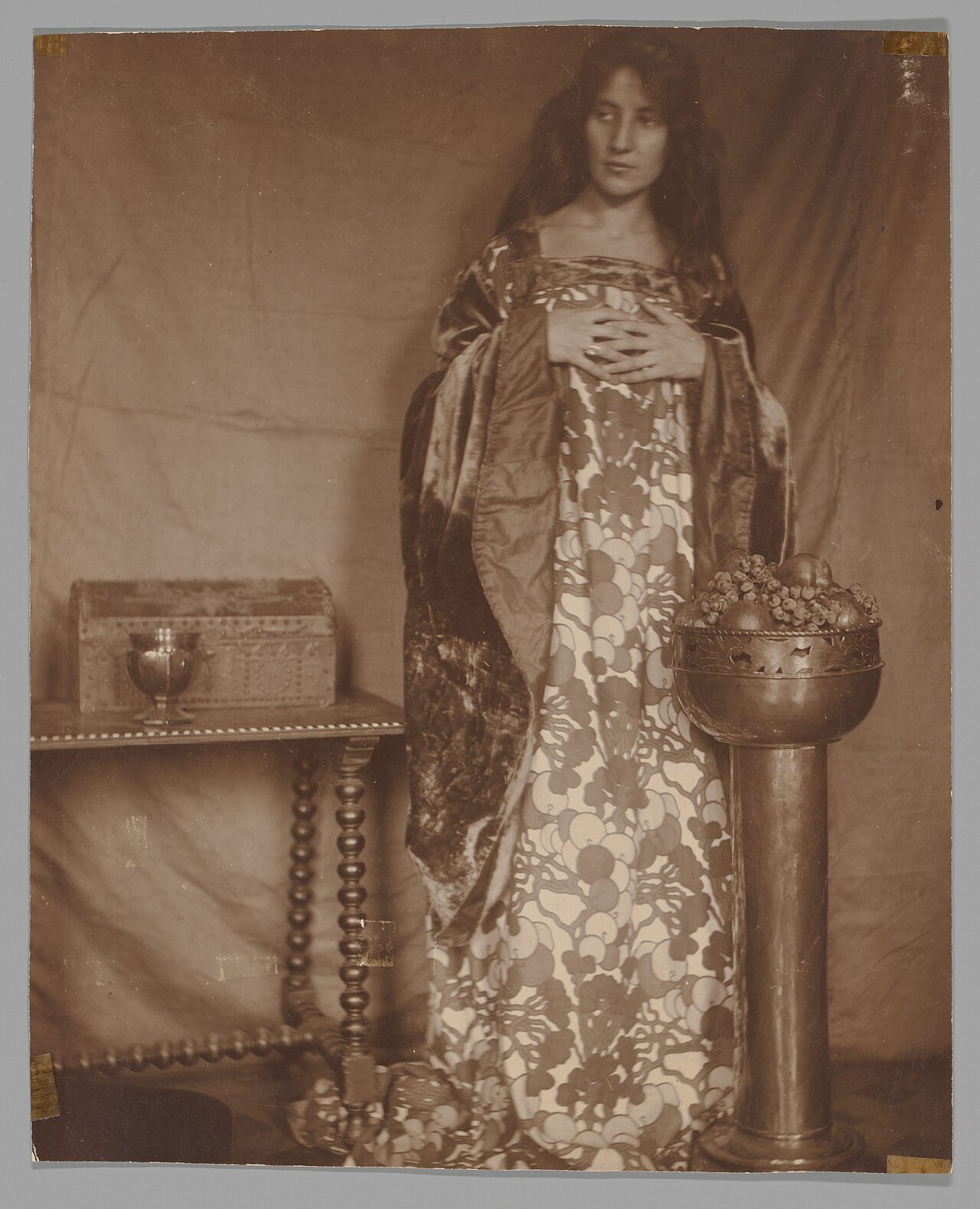
On 4 July 1862, Lewis Carroll rowed up the river Isis with three young girls—Lorina Charlotte, Alice Pleasance, and Edith Mary Liddell, daughters of his friend Henry Liddell. The five-mile journey from Folly Bridge in Oxford to Godstow in Oxfordshire became the seed of an immortal story. Carroll told the girls a tale he later titled "Alice's Adventures Under Ground," and Alice, wanting to preserve this particular narrative unlike others he had shared, asked him to write it down. She would not receive the finished manuscript for over two years. Carroll had known the family since around March 1856, and he showed a marked fondness for Alice, whose surname "Pleasance" invited playful allusion and whose first name appeared in works by Charles Lamb and William Mee. By the late 1850s he had become an amateur photographer, producing many portraits of the Liddell children; twenty images of Alice survive. The novel's prefatory poem calls the day a "golden afternoon," yet weather records for Oxford that date describe cool, rather wet conditions—a detail at least one scholar has disputed.
From Private Gift to Published Classic
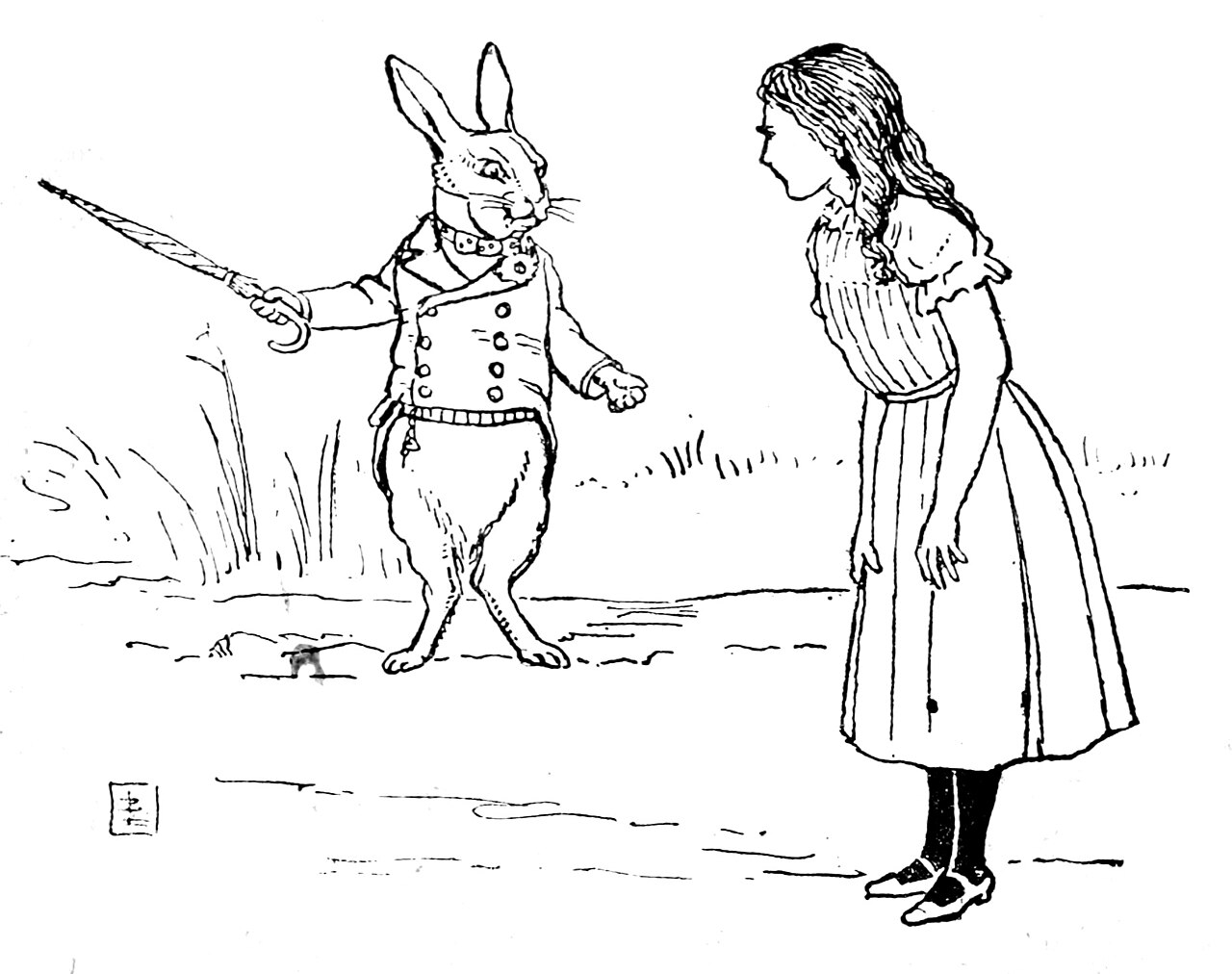
Carroll began drafting the story the day after the boat trip, though that earliest version is now lost. A month later, another river outing gave him the chance to expand the plot for Alice, and by November he was working on the manuscript in earnest. To polish the final text, he consulted natural-history sources to ensure his animal characters felt grounded, then had the draft read by children—specifically those of the writer George MacDonald—to gauge its appeal. Carroll originally illustrated the manuscript himself, but on the advice of others he sought a professional artist for the published edition. He approached John Tenniel, a cartoonist at Punch, who reimagined Carroll's visions through his own eye and produced 42 wood-engraved illustrations. On 26 November 1864, Carroll presented Alice with the completed Under Ground manuscript, dedicating it as a Christmas gift in memory of that summer's day. The 1865 published novel roughly doubled the manuscript's length, adding set pieces like the Mad Hatter's Tea-Party. The sole surviving Under Ground manuscript is held in the British Library, and Macmillan issued a facsimile in 1886.
A Revolution in Children's Literature
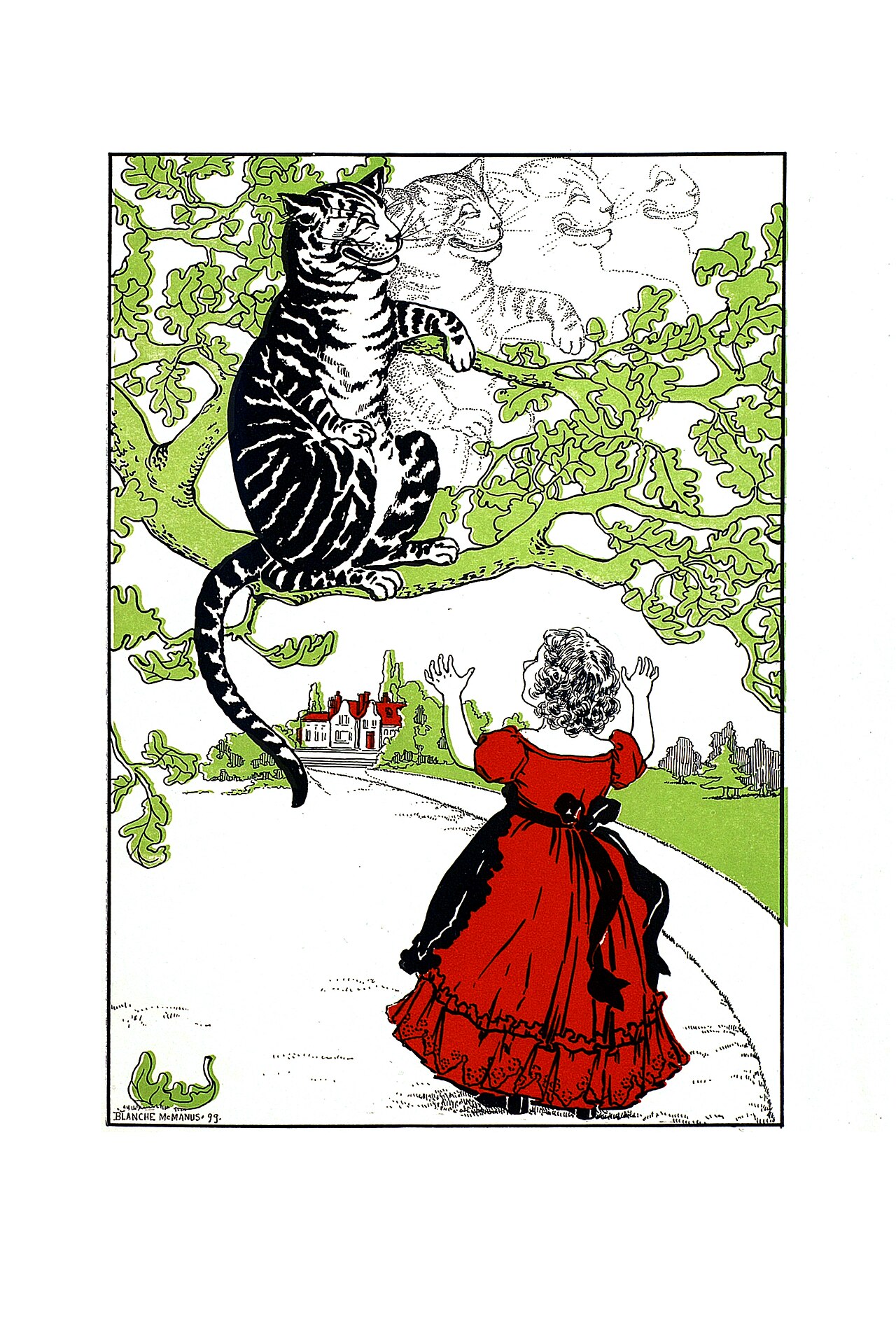
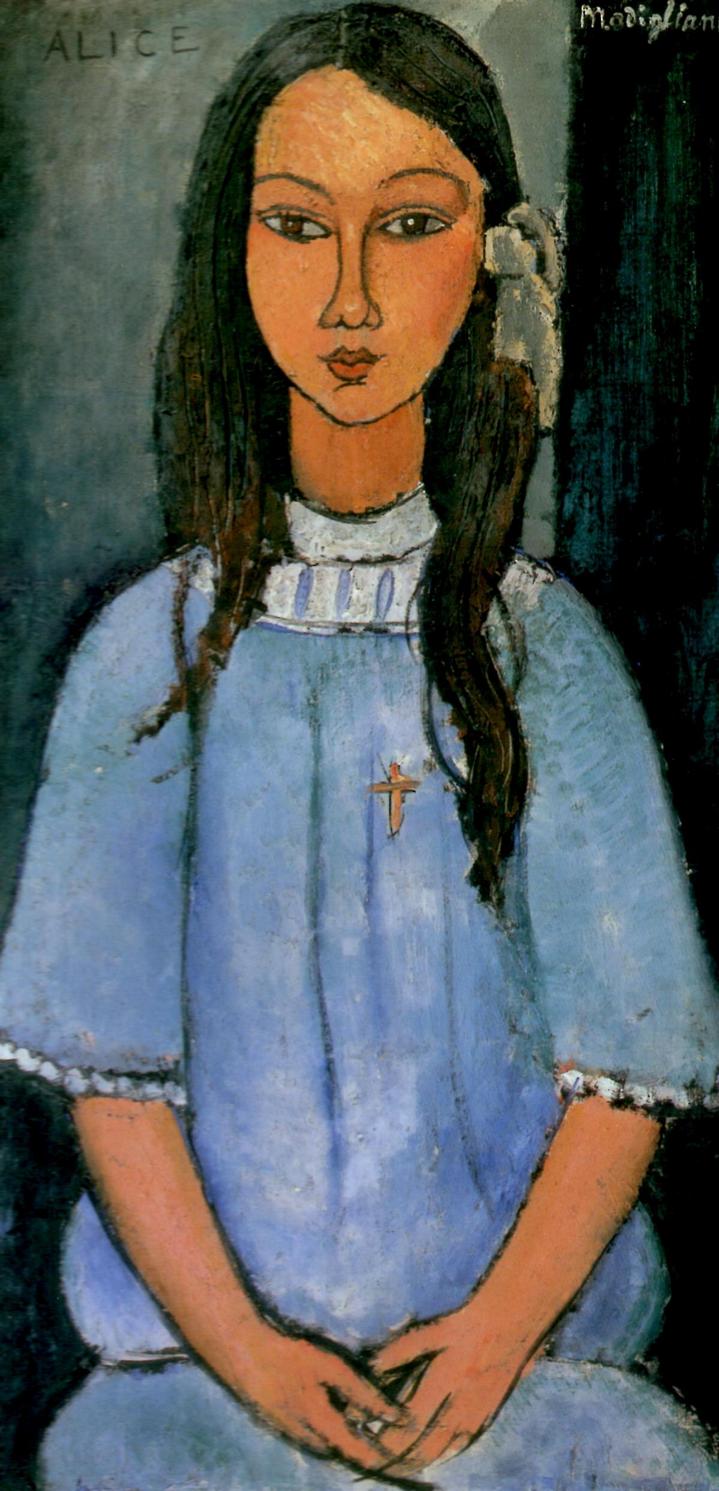
When Alice's Adventures in Wonderland appeared in 1865, critics responded warmly, and the book quickly cemented its place among the most recognized works of Victorian literature. Its significance extends far beyond entertainment: the novel is widely credited with helping to close an era in which children's writing served primarily as moral instruction, opening the door to a new philosophy in which stories for young readers were meant to delight and entertain. Classified as a landmark of the literary nonsense genre, the book nonetheless plays intricate games with logic and language, a quality that has secured its enduring appeal among adult readers as much as among children. Its narrative techniques, structural choices, vivid characters, and striking imagery have cast a wide influence across popular culture and literature, particularly within the fantasy genre. Scholars continue to debate how closely the titular heroine mirrors Alice Liddell, the real girl Carroll knew, though the connection remains a point of fascination. What is undisputed is that the novel reshaped what a children's book could be and how seriously its craft could be taken.
An Immortal Story in Every Medium
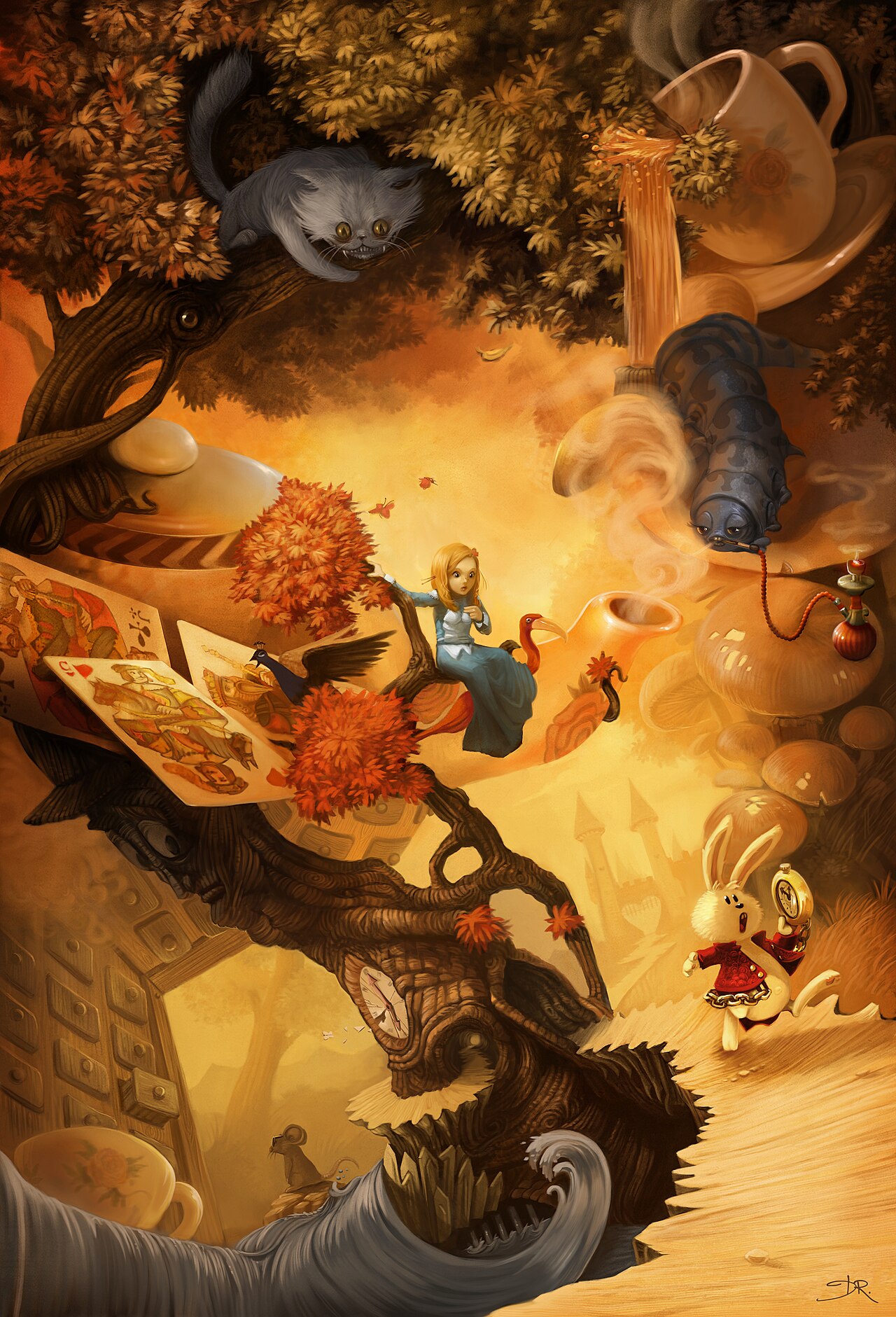
No other children's novel of the nineteenth century has maintained such unbroken commercial presence: Alice's Adventures in Wonderland has never gone out of print and has been rendered into 174 languages, a testament to its universal resonance. Carroll himself extended the world in two further works—Through the Looking-Glass, published in 1871 as a sequel, and The Nursery "Alice," a shortened retelling aimed at very young children, released in 1890. Beyond the printed page, the story's legacy spans an extraordinary range of artistic and entertainment forms. It has been adapted for the screen, for radio, and into visual art; it has inspired ballets, operas, and musical theatre productions. Theme parks have built entire lands around its characters, board games and video games have drawn on its imagery, and each generation of creators finds new ways to reinterpret its logic-bending world. The sheer breadth of these adaptations—spanning performing arts, interactive media, and commercial entertainment—underscores how deeply the novel's narrative, structure, and visual vocabulary have permeated global popular culture.
Gallery
Frequently Asked Questions
Who is Alice in the Twice universe?
Alice is the central narrative figure and emotional anchor of the Twice story. She is a character whose inner life and extraordinary external circumstances drive the layered, introspective plot forward.
What is Alice's role in the story?
She functions as both the audience's window into the world's tensions and a catalyst whose decisions send ripples outward to everyone around her. Her role is less about a single plot function and more about holding the narrative's emotional center together.
What themes does Alice embody?
Alice is the primary vehicle for the story's exploration of identity, consequence, and the heavy weight of choices made under pressure. Fans often describe her as a quiet, persistent force in a setting that constantly tries to extinguish her.
Is Alice still active in the main storyline?
Yes, her status is listed as active in the main storyline, meaning she remains a driving presence rather than a concluded or background figure.
Why do fans consider Alice so important to the Twice narrative?
She is cited consistently as the character through whom the entire cast's inner conflicts become legible to the reader. Her choices and emotional positioning give the story its thematic spine, making her removal from the narrative essentially unthinkable.
Related in Twice
Links follow this subject's own source article.
Elsewhere in the Twice universe
Spotted an error? Know more?
This is a living reference — every entry is fact-audited, and reader corrections feed straight into our audit queue. Suggest an edit · See this site's audit record