Seoul
A city of ten million stories, where every alley holds a secret and every season rewrites the map.

Syced · CC0
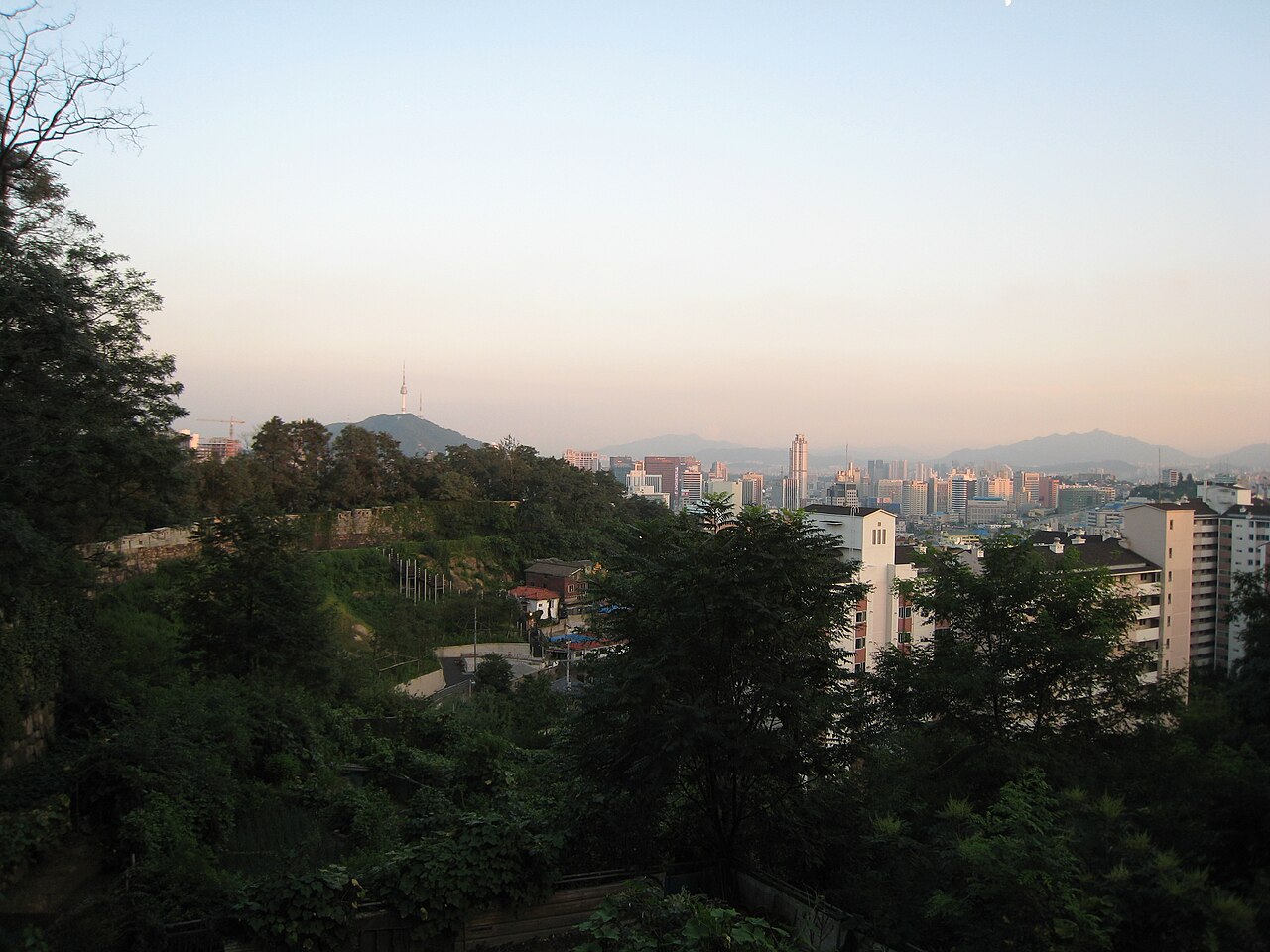
Seoul is the primary urban setting of the Twice universe, the sprawling South Korean metropolis where the central narrative unfolds. As the capital city and cultural heart of the story, it provides the backdrop against which the characters' personal journeys, relationships, and conflicts play out across its dense neighborhoods, neon-lit streets, and quiet residential enclaves. Rather than a single fixed location, Seoul in the Twice universe functions as a living character in its own right—its seasons, its shifting light, its layered districts from old hanok alleys to gleaming high-rises all shaping the mood and stakes of the story. For viewers, it is the recognizable, grounded world that anchors the more fantastical or emotionally heightened elements of the narrative.
- Type
- Primary narrative setting
- Country
- South Korea
- Role
- Main backdrop for the central story
- Setting character
- Urban metropolis; multi-district, seasonal
- Tone in-story
- Grounded, intimate, occasionally melancholic
Lore & Background
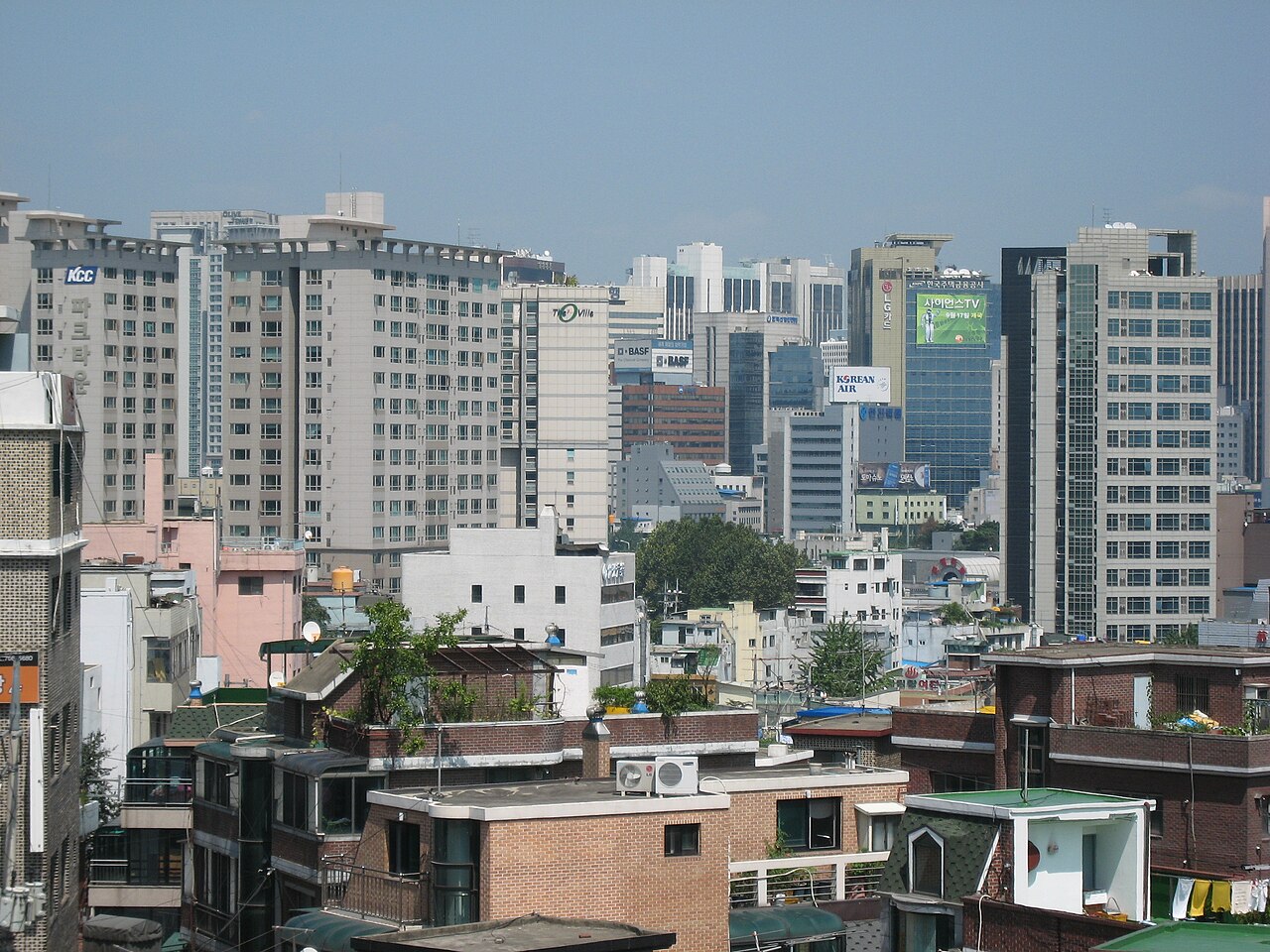
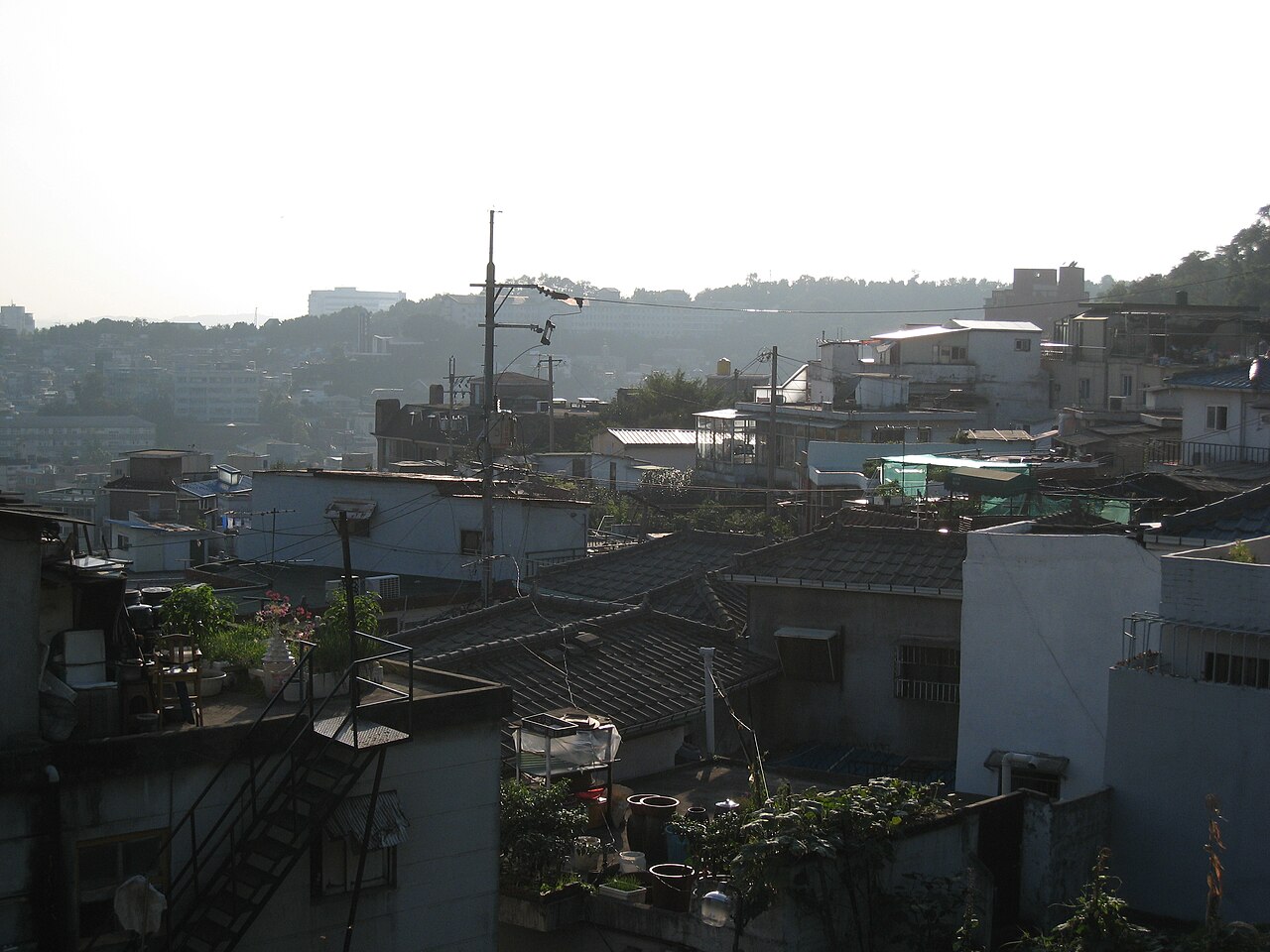
In the Twice universe, Seoul is never merely a backdrop. The city's geography—its river dividing east from west, its mountain ridgelines catching the last light of dusk, the way a single subway line can carry a character from a sunlit café in one district to a rain-slicked underpass in another—mirrors the emotional architecture of the plot. Characters move through Seoul the way they move through memory: sometimes in straight, purposeful lines, sometimes in long, meandering detours that lead them back to where they started. The city's layered history is felt in its textures. Older neighborhoods with narrow stone-paved lanes sit just blocks away from glass-and-steel commercial towers. Markets hum with the clatter of metal trays and the call of vendors, while a short walk later the streets fall silent under the glow of convenience-store signage. This juxtaposition—ancient and hyper-modern, communal and isolating—gives the narrative its emotional range. A character can be surrounded by thousands of people on a packed bus and still feel utterly alone, or find an unexpected, tender connection in a nearly empty park bench overlooking the Han River. Seasonal change is a recurring motif. The sharp, crystalline cold of a Seoul winter, with breath fogging in the air and streetlights doubling in wet pavement, contrasts with the heavy, humid stillness of a July afternoon when the city seems to hold its breath. These shifts in atmosphere punctuate the story's turning points, externalizing the characters' inner states without a single line of exposition.
In Their Own Story
The rain had started an hour before she noticed, a fine Seoul drizzle that turned the crosswalk signals into smeared red and green. She stood under the awning of a closed convenience store on a side street in Mapo, watching the water trace silver threads down the glass, and thought—absurdly—that the city looked like a watercolor left in a sink. Somewhere down the block a taxi hissed to a stop, its headlights cutting two pale wedges through the mist. She pulled her collar up, stepped out into the cold, and walked. Not toward anywhere in particular. Just forward, the way you do when the whole city is a question and you haven't decided yet what you're asking.
Reader's Guide
Seoul in the Twice universe reads like a character in its own right—one with moods, scars, and quiet obsessions. The Han River doesn't just divide the city; it splits the emotional territory: the east is where ambitions are forged in neon-lit practice rooms, while the west cradles late-night confessions in pojangmacha tents. Namsan Tower isn't just a landmark—it's the silent witness to every 'almost' and 'never again,' its blinking light a Morse code of missed connections. The subway map is the story's nervous system: Line 2 is the circulatory loop of daily grind and chance encounters, while the quieter Gyeongui-Jungang Line carries characters into the outskirts where memories blur into suburbs. The seasonal shifts aren't just weather—they're plot devices. A Seoul winter forces characters into cramped convenience stores where confessions steam in the cold air; a July monsoon traps them under eaves, making proximity inevitable. The hanok alleys of Bukchon aren't just pretty—they're time capsules where a character can literally step from a centuries-old courtyard into a K-pop studio, a transition that mirrors the show's own dance between tradition and hyper-modernity. For the attentive viewer, every location is a clue: the specific convenience store brand, the exact subway exit, the angle of the sunset over the Han—each one a breadcrumb in the city's conspiracy of coincidence.
Did You Know?
- Seoul's geography in the story mirrors real Seoul: the Han River genuinely divides the city into distinct eastern and western halves, and the Namsan hill with its broadcast tower is a real landmark visible from many dist
- The seasonal shifts depicted—harsh winter cold, humid summer stillness—match Seoul's actual continental climate, giving the narrative's atmospheric changes a grounded, believable basis.
- The juxtaposition of traditional hanok neighborhoods and modern high-rise commercial zones is a real feature of Seoul's urban landscape, with areas like Bukchon sitting just minutes from the Gangnam business district.
- Seoul's subway system, one of the densest in the world, provides a natural narrative device for moving characters between districts quickly, a detail viewers will recognize from the city's real transit infrastructure.
Gallery
Frequently Asked Questions
What is Seoul in the Twice universe?
Seoul is the central urban setting where the entire Twice story takes place, a vast South Korean capital that anchors every major plot thread. It operates less like a static backdrop and more like a character with its own moods, shifting light, and layered geography.
What role does Seoul play in the narrative?
The city is the physical stage for all the characters' interpersonal conflicts, growth arcs, and relationship dynamics. Its mix of old hanok lanes and modern towers gives the story a tangible, walkable sense of place.
How does Seoul evolve across the story?
The seasons visibly reshape the city, altering how its streets, alleys, and districts feel to the characters and to the reader. This cyclical change means familiar locations carry different emotional weight depending on the time of year.
What's the overall tone of Seoul in-story?
The atmosphere leans grounded and intimate, with an undercurrent of quiet melancholy running through its neighborhoods. It reads as a place where small, private stories accumulate in every corner rather than a spectacle-driven backdrop.
Why does Seoul matter to the broader Twice universe?
As the cultural and geographic heart of the narrative, Seoul gives the characters' personal stakes a specific, lived-in reality. Without its dense, multi-layered urban fabric, the emotional core of the story would lose its sense of place.
More in Locations & Settings
Elsewhere in the Twice universe
Spotted an error? Know more?
This is a living reference — every entry is fact-audited, and reader corrections feed straight into our audit queue. Suggest an edit · See this site's audit record